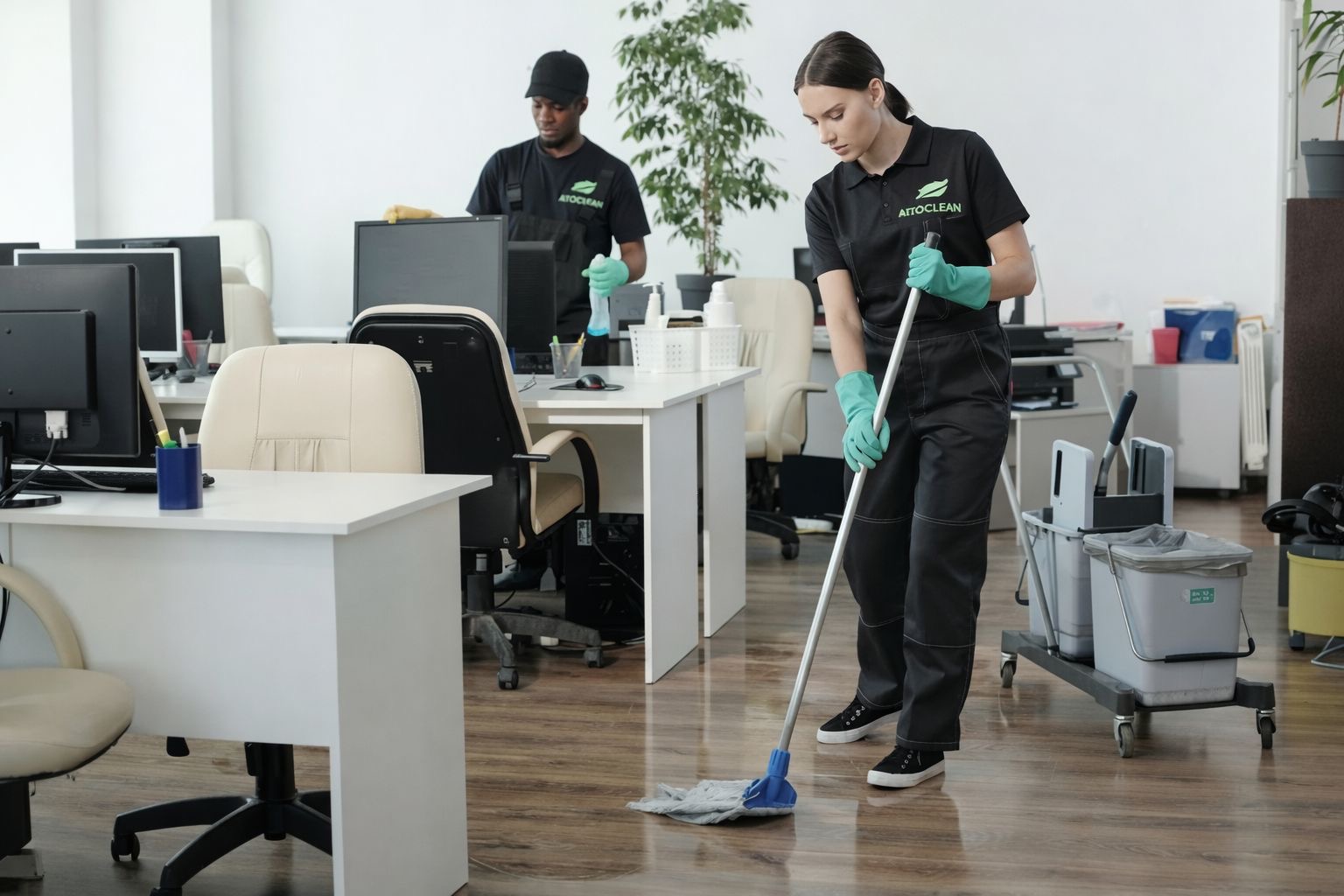
Shepparton is the heart of the Goulburn Valley: a river city surrounded by orchards, dairies and paddocks, with hot dry summers and cold, foggy winters. That mix gives local homes their own cleaning problems, from fine dust that finds its way indoors to damp that settles in bathrooms and wardrobes. This guide explains what house cleaning involves in Shepparton, how to plan it through the year, how end-of-lease cleaning works for Victorian renters, and how to choose a cleaner you can trust.
Written by the Aethla EcoClean team. Last updated October 2026.
Quick answer
House cleaning in Shepparton usually means a regular clean (weekly, fortnightly or monthly), a deep clean to reset a home, or an end-of-lease clean before a rental inspection. Local dust, hot summers and damp winters mean most homes do best with a deep clean first, then a regular schedule. Prices depend on the size and condition of the home, so always ask for a quote for your address.
Key takeaways
- Most Shepparton households start with a deep clean, then move to a fortnightly or monthly regular clean.
- Farm and orchard dust, summer heat and damp winters shape what a Goulburn Valley home needs, so clean high and low, not just the floors.
- For rentals, an end-of-lease clean should follow your agent's checklist and your condition report. No cleaner can guarantee your bond.
- Eco-friendly products suit homes with children, pets and allergies. Read labels and ask what is used.
- Get a written quote for your home. Size, bathrooms and condition decide the price, not a flat rate.
- We clean in Shepparton, Mooroopna, Kialla, Tatura and nearby areas.
What does house cleaning in Shepparton actually involve?
"House cleaning" covers several different jobs, and a lot of confusion comes from asking for one when you need another. Here is how the main types differ, and when each one makes sense.
| Type of clean | What it is | Best for | How often |
|---|---|---|---|
| Regular clean | Maintenance of a home that is already in good order: kitchen, bathrooms, floors, dusting, rubbish. | Busy households, families, working couples | Weekly, fortnightly or monthly |
| Deep clean | A full reset that adds build-up regular cleans skip: skirting boards, door frames, window tracks, inside cupboards, appliance detail. | First-time clients, after a dusty season, before a big event | Once, then once or twice a year |
| End-of-lease clean | A room-by-room clean to a rental checklist, so the property can be handed back in the right condition. | Renters moving out | Once, at the end of a tenancy |
| Move-in clean | A clean of an empty property before you unpack. | New owners and tenants | Once, before moving in |
| Carpet clean | Deep cleaning of carpet to lift dust, pet hair and dirt from the fibres. | High-traffic areas, bedrooms, homes with pets | Once or twice a year |
A good provider will ask a few questions before quoting: how many bedrooms and bathrooms, the age and condition of the home, whether there are pets, and what you most want done. If a quote arrives without any of those questions, treat it with caution.
For more detail on each service, see our pages for regular cleaning, deep cleaning, end-of-lease cleaning, move-in cleaning and carpet cleaning, or our overview of cleaning services in Shepparton.
Why Shepparton homes get dirty differently
Cleaning advice written for coastal capital cities does not always fit a regional city in the middle of a farming district. Four local factors matter most.
Fine dust from the surrounding farmland
Shepparton sits among orchards, dairies and cropping land. In dry weather, and especially during harvest and soil preparation, fine dust travels on the wind and gets inside through door gaps, window seals and open doors. You see it first on window sills, the tops of ceiling fans and skirting boards, and on dark furniture. Vacuuming alone moves some of it around. The better approach is to dust from the top down (fans, shelves, picture rails), wipe sills and tracks with a damp cloth, and vacuum last, so the dust you lift does not settle again.
Hot, dry summers
Summer heat dries out the air, which helps dust travel, and it encourages open windows and doors during the day. Air conditioners and evaporative coolers pull in dust as well, and their filters need cleaning more often than many people realise. A clogged filter works harder and circulates the dust it has caught.
Smoke from regional bushfires
In some summers, smoke from fires elsewhere in the region drifts across the Goulburn Valley. Smoke leaves a fine residue and an odour on soft furnishings, curtains and walls. Closing the house up during smoke events helps, and afterwards a thorough wipe-down of surfaces and washing of curtains and cushion covers usually does more than air freshener.
Cold, damp winters and river fog
Shepparton's winter mornings can be foggy and cold, and a home that is closed up and heated may collect moisture on windows and in bathrooms. That is where mould starts: around shower silicone, in window tracks and on the walls of cooler rooms. Regular wiping of damp surfaces, running the exhaust fan after showers and leaving some airflow in wardrobes all help. Mould that returns quickly after cleaning can point to a ventilation or leak problem that needs a landlord or tradesperson, not more scrubbing.
It is worth saying plainly what we do not do. If a home has been flooded or has serious water damage, it needs specialist assessment and restoration first. The October 2022 floods affected parts of Shepparton and Mooroopna, and homes affected by flooding need more than cleaning. Once a property has been made safe and dry, we can help with the cleaning that follows.
A year of cleaning in Shepparton
A simple seasonal rhythm keeps a home on top of the local conditions without turning cleaning into a full-time job. Use this as a starting point and adjust for your household.
| Season | What to focus on | Why it matters locally |
|---|---|---|
| Summer (Dec–Feb) | Dust on sills, fans and blinds; air conditioner and cooler filters; floors near entrances; fridge and kitchen after warm weather | Hot, dry, dusty conditions; open doors and windows; the harvest season |
| Autumn (Mar–May) | Window tracks and seals; gutters and outdoor areas; washing curtains and covers; carpets after the dusty season | Dust has built up; leaves and debris begin to fall |
| Winter (Jun–Aug) | Bathrooms, silicone and wardrobes for damp; heater and wall vents; wiping condensation from windows | Cold, foggy mornings and closed-up homes encourage moisture and mould |
| Spring (Sep–Nov) | A deep clean: skirting boards, door frames, cupboards, behind furniture; windows inside; outdoor furniture | Good time to reset the home before the dry months return |
If you want to do less yourself, the simplest plan is a deep clean in spring, a regular fortnightly clean through the year, and a carpet clean in autumn.
Room-by-room: what a proper house clean covers
Here is a practical list of what a thorough clean covers in each room. Use it to check a quote, or as your own checklist. Items marked "deep" are normally part of a deep clean and not a regular visit.
Kitchen
- Benchtops, splashbacks and sink cleaned and sanitised
- Outside of the oven, microwave, fridge and dishwasher wiped
- Stovetop cleaned, including around burners
- Cupboard fronts and handles wiped
- Floors vacuumed and mopped
- Deep: inside the oven, rangehood filter, inside the fridge and inside cupboards
Bathrooms and toilets
- Shower, bath, taps, basin and vanity scrubbed and descaled
- Mirrors and glass cleaned
- Toilet cleaned inside and out, including the base and behind the seat
- Floors mopped
- Deep: grout and silicone, exhaust fan covers, window tracks and shower screens
Bedrooms and living areas
- Dusting of surfaces, shelves, frames and electronics
- Mirrors and glass tables wiped
- Floors vacuumed, including under beds and sofas where accessible
- Rubbish removed
- Deep: skirting boards, door frames, light switches, ceiling fans, blinds and the tops of wardrobes
Laundry and entry
- Laundry tub and benchtops cleaned
- Floors cleaned, including the entry where farm and garden dirt arrives first
- Deep: lint and dust behind and beside machines, window tracks and sliding door runners
Anything not on a list is usually extra, so ask. Windows, oven interiors and inside the fridge are common add-ons.
End-of-lease cleaning in Shepparton
What is end-of-lease cleaning?
End-of-lease cleaning (also called bond cleaning, vacate cleaning or exit cleaning) is a thorough clean of a rental property done when the tenancy ends, so it can be handed back in the condition the tenancy rules expect. In Victoria, tenants are generally expected to leave the property reasonably clean and in the same condition as at the start, allowing for fair wear and tear. That is a general principle, not a checklist, so your agent's requirements and your condition report matter.
What the rules say, in plain language
Residential tenancies in Victoria are governed by the Residential Tenancies Act 1997, and Consumer Affairs Victoria publishes guidance for renters. When the tenancy began, you should have received a condition report. That document is the baseline. At the end, the property is compared with it. Bonds are held by the Residential Tenancies Bond Authority, and if you and your landlord cannot agree on how much of the bond is returned, the dispute can go to the Victorian Civil and Administrative Tribunal (VCAT). Always check the official sources linked at the end of this guide, as the rules are updated from time to time.
A simple end-of-lease timeline
- Four weeks before: read your condition report and your agent's cleaning checklist. Note anything you will need to repair.
- Two to three weeks before: book your clean. Popular dates around the end of the month fill up quickly.
- The week before: remove your belongings and rubbish so the cleaner can reach every room and surface.
- Cleaning day: arrange access and send your agent's checklist to your cleaner.
- Before the inspection: do a quick walk-through, take dated photos of each room and return all keys.
The areas that most often cause problems
- Inside the oven and rangehood, and the stovetop
- Bathroom grout, shower screens and silicone with mould or scale
- Window tracks and sliding door runners full of dust and dead insects
- Skirting boards, light fittings and the tops of doors
- Carpets, where agents often request a professional clean, as stated in the lease
- Marks on walls, which may need touching up or repair and are not always a cleaning job
What a cleaner can and cannot do
A professional clean covers the cleanliness side of an inspection. It cannot repair damage, replace worn items or decide how the inspection goes. Beware of any provider that promises you will "get the full bond back". The decision belongs to your agent and, if there is a dispute, the tribunal. What a good provider can do is clean to your checklist, tell you what they found that needs repair, and in some cases come back to fix a point raised at inspection. Ask about that before you book. See also our page on end-of-lease cleaning.
Carpet cleaning in Shepparton
Carpet traps a surprising amount of dust, and in a dry farming district it holds more than most. Vacuuming removes the loose surface layer, but fine dust, pet dander and skin cells work their way into the base of the pile. Deep carpet cleaning, usually by hot water extraction, flushes that material out.
A few points help you get a good result:
- Vacuum first. A thorough vacuum before extraction removes loose soil that would otherwise turn to mud.
- Tell the cleaner about stains. Pet accidents, wine, oil and rust respond to different treatments, and some are permanent.
- Allow drying time. Carpets usually need several hours to dry. Open windows and run fans if you can.
- Know the limits. Old, worn or badly stained carpet may improve without looking new. A fair provider will tell you before starting.
Rental agreements often ask for a professional carpet clean when you leave, so check your lease. See our carpet cleaning page for what we offer.
Eco-friendly cleaning explained
"Eco-friendly" is used loosely, so it helps to know what to look for. In general, it means cleaning products that are gentler on people and the environment: for example, plant-derived ingredients, fewer harsh chemicals, no strong fragrance, and packaging that can be recycled. There is no single legal definition, which is why labels and third-party certification matter. In Australia, certification schemes such as Good Environmental Choice Australia (GECA) exist for cleaning products.
Why it matters at home:
- Children and pets spend time on floors and put things in their mouths, so residue matters.
- Allergies and asthma can be triggered by strong fragrances and some chemicals.
- Indoor air is affected by what we spray and wipe, especially in closed-up winter homes.
Eco-friendly does not mean "less effective". Good technique, the right cloth and enough contact time do much of the work. If you have a sensitivity, tell your cleaner exactly what to avoid. We use eco-friendly products and will follow your instructions.
Cleaning for allergies and asthma in the Goulburn Valley
Hay fever and dust sensitivity are common in farming districts, where grass, crop and tree pollen and fine soil dust all peak at different times of the year. Cleaning cannot cure an allergy, but it can lower the amount of dust and allergen a home holds. A few habits make the biggest difference:
- Wet-wipe instead of dry-dust. Dry feather dusters throw particles back into the air. A slightly damp microfibre cloth traps them.
- Vacuum slowly and often with a machine that has a good filter, and empty the bin or bag outside.
- Wash bedding weekly in hot water if the fabric allows, and wash pillow protectors regularly.
- Keep windows closed on windy, dusty days and open them in the cooler, calmer part of the day.
- Take shoes off at the door. A good mat outside and a second one inside stops a surprising amount of paddock dirt.
- Clean air conditioner and cooler filters at the start of summer and again midseason.
If anyone in your home has asthma or severe allergies, tell your cleaner which products to avoid and ask for fragrance-free options. Medical advice about triggers should always come from your doctor.
How to choose a cleaner in Shepparton: 12 questions to ask
Before you book anyone, including us, ask these questions. A reliable provider will answer them without fuss.
- Is the quote for my specific home, and is it in writing?
- What exactly is included, and what costs extra?
- Who will be coming to my home, and will it be the same person each time?
- Do you carry public liability insurance, and can you tell me about it?
- Are your staff employees or contractors?
- What products and equipment do you use, and can you work around allergies?
- What happens if something is missed or damaged?
- Do you offer a follow-up if there is a problem at inspection (for end-of-lease cleans)?
- How do I cancel or reschedule, and is there a fee?
- How do you handle keys and access?
- How do you communicate on the day and afterwards?
- Can you give me recent, genuine feedback from other clients in the area?
Be wary of very low prices, no questions about the property, pressure to pay in full in advance, and vague answers about insurance. Ask us any of these questions. We are happy to answer them before you book.
What affects the cost of house cleaning in Shepparton?
Cleaning is priced to the job, so two homes of the same size can cost different amounts. The main factors are:
- Size: the number of bedrooms, bathrooms and living areas, and the floor area.
- Condition: a home that has not been cleaned in months takes longer than one that is kept up.
- Type of clean: deep and end-of-lease cleans take more time than a regular clean.
- Extras: oven interiors, fridge interiors, windows, carpets and balconies.
- Frequency: regular schedules are usually easier to plan and often cost less per visit.
- Access and timing: parking, stairs, pets, and tight deadlines such as a same-day inspection.
To get an accurate quote, send the number of bedrooms and bathrooms, a few photos if the home needs a lot of work, the type of clean you need, and any extras. Tell us your date and whether you have pets. We would rather quote accurately than give you a number that changes on the day.
How to prepare for your cleaner's first visit
A little preparation makes a first clean faster and better. It is not about tidying everything before the cleaner arrives, but about removing the things that get in the way.
- Clear the surfaces. Put away loose items from benchtops, bathroom vanities and floors so every surface can be wiped.
- Secure valuables and anything fragile. Put cash, jewellery and sentimental items somewhere safe.
- Tell us about pets. Say whether they will be home, whether they are friendly and where they should stay.
- Arrange access. Give clear instructions about keys, codes, alarms and parking.
- List your priorities. Tell us the two or three things that matter most to you, such as the bathrooms, the kitchen or the floors.
- Point out special surfaces. Natural stone, timber floors and delicate finishes need specific products.
- Mention anything off limits. A home office, a child's room or a rarely used spare room can all be excluded.
After the first visit, give feedback. A good provider wants to hear what to do differently next time, and a short message helps a regular schedule run smoothly.
DIY or hire a professional?
There is no wrong answer, only a trade-off between time, money and results.
- DIY works well for a small, tidy home when you have time, the right products and a routine.
- Hiring helps when you are short of time, when you have a deadline such as an inspection, or when a job needs equipment, such as carpet extraction.
- A mix is common: many households do the daily tidying themselves and book a professional for deep cleans, carpets and end-of-lease cleans.
If you do it yourself, work top to bottom, use clean cloths for each area and let products sit for the time on the label. It is the contact time, not the scrubbing, that does the cleaning.
Common house cleaning mistakes to avoid
- Cleaning from the floor up. Dust falls. Start high (fans, shelves, picture rails) and finish with the floors.
- Using too much product. More spray is not better. It leaves residue that attracts dirt and makes surfaces sticky.
- Mixing cleaning products. Never combine bleach with ammonia or acid-based cleaners. Mixing can release dangerous fumes.
- Wiping too soon. Disinfectants and descalers need contact time, usually a few minutes, to work.
- Ignoring window tracks and fans. These are where dust collects in a dry district.
- Using one cloth for the whole house. It spreads germs from the bathroom to the kitchen. Use separate, clean cloths for each area.
- Leaving end-of-lease cleaning to the last day. If something is missed, you want time to fix it.
- Choosing on price alone. A very low quote often means a short visit, a thin scope or hidden extras.
Cleaning for Shepparton businesses
Offices, clinics, shops and small commercial premises have different needs from homes: after-hours access, schedules around trading, high-touch surfaces and shared amenities. A good commercial cleaning arrangement starts with a written scope of work (what is cleaned, how often and by when), a clear contact for each side and a way to flag issues quickly. See our pages on office cleaning and commercial cleaning, and our guide to commercial cleaning services in Australia.
Areas we service near Shepparton
We provide cleaning services in Shepparton, Shepparton North, Shepparton East, Kialla, Kialla West, Mooroopna and Congupna, and in nearby Tatura (see our guide to cleaning in Tatura). If you are not sure whether we cover your address, send us your suburb and we will confirm. Our full list is on our Shepparton cleaning services page.
Frequently asked questions about house cleaning in Shepparton
How much does house cleaning cost in Shepparton?
It depends on the size of the home, the number of bathrooms, the condition of the property and the type of clean, so any honest price is a quote for your home, not a flat rate. Regular cleans of a tidy home cost less than a first deep clean, and an end-of-lease clean is priced to the property and the agent's checklist. Send us your details and we will quote for your address.
What is included in a regular house clean?
A regular clean covers the surfaces and floors you use every week: kitchen benches and the outside of appliances, bathrooms, toilets, mirrors, vacuuming and mopping, dusting and rubbish removal. It does not usually include the inside of the oven or fridge, wall washing or carpet extraction, which belong in a deep clean or a separate service.
What is the difference between a deep clean and a regular clean?
A regular clean maintains a home that is already in good order. A deep clean resets it: it adds the build-up a regular clean skips, such as skirting boards, door frames, window tracks, behind and under furniture you can move, inside cupboards and appliance detail. Most households start with a deep clean and then switch to regular visits.
How do I get my bond back when I move out of a rental in Shepparton?
Return the property in the condition it was in at the start of the tenancy, allowing for fair wear and tear, and compare it with your condition report. Clean thoroughly, repair any damage you caused, hand back all keys and take dated photos. A professional clean helps with the cleanliness part, but the bond decision is made under Victorian tenancy rules, so no cleaner can guarantee the outcome.
Do I need to be home during the clean?
No. Many clients are at work, and plenty of regular clients arrange access and let us get on with it. For a first visit, it helps to be there briefly, or on the phone, to confirm priorities, pets and anything you want us to leave alone.
Do you bring your own cleaning products?
Tell us when you book what you would like us to use. We use eco-friendly products as standard, and if you have allergies, a baby, pets or a preference for particular products, let us know so we can plan around it.
How often should I have my house cleaned in the Goulburn Valley?
Most households settle on a fortnightly clean. Weekly suits busy homes with children, pets or someone with allergies. Monthly works for a small, tidy home where you do the day-to-day yourself. Dusty summers and harvest season are good times to move to a more frequent schedule.
Can you clean carpets in Shepparton?
Yes. Carpet cleaning is one of our services and it is a good fit for the dust, pet hair and ground-in dirt that builds up in high-traffic areas. Results depend on the age and type of carpet and how long a stain has been there, and we will tell you what to expect before we start.
Do you clean after a flood or major water damage?
No. Flood and water damage need specialist assessment and restoration, and sometimes a licensed professional. Once a property has been made safe and dry, we can help with the cleaning that follows, but we are a regular cleaning service, not a flood restoration company.
Is it worth hiring a cleaner instead of cleaning myself?
It is worth it when time is the scarce thing, when a job needs equipment or technique you do not have (such as carpet extraction), or when a deadline matters, as with an end-of-lease inspection. Cleaning a tidy home yourself is perfectly reasonable if you have the time and enjoy it.
Do you clean offices and shops in Shepparton?
Yes. We clean offices and small commercial premises and can work around trading hours. Tell us the size of the premises, how often you need a clean and when the space is free, and we will quote.
What areas near Shepparton do you cover?
We service Shepparton, Shepparton North, Shepparton East, Kialla, Kialla West, Mooroopna, Congupna and Tatura. If you are a little further out, ask us and we will confirm.
How do I book a cleaner in Shepparton?
Book online at aethlaecoclean.com.au/booking, or call or WhatsApp +61 412 107 313. We confirm bookings quickly by WhatsApp or phone, and you can tell us about access, pets and priorities at the same time.
About Aethla EcoClean
Aethla EcoClean is an eco-friendly cleaning company providing home cleaning, deep cleaning, end-of-lease cleaning, move-in cleaning, carpet cleaning and commercial cleaning. We service Shepparton, Mooroopna, Kialla, Tatura and nearby areas, as well as Brisbane and Perth. You can book online at https://www.aethlaecoclean.com.au/booking, call or WhatsApp +61 412 107 313, or email hello@aethlaecoclean.com.au. Opening hours are Monday to Sunday, 7:00am to 5:30pm.
Sources and further reading
Rules and conditions change, so check the official source before you rely on anything here. This guide is general information, not legal advice.